
-
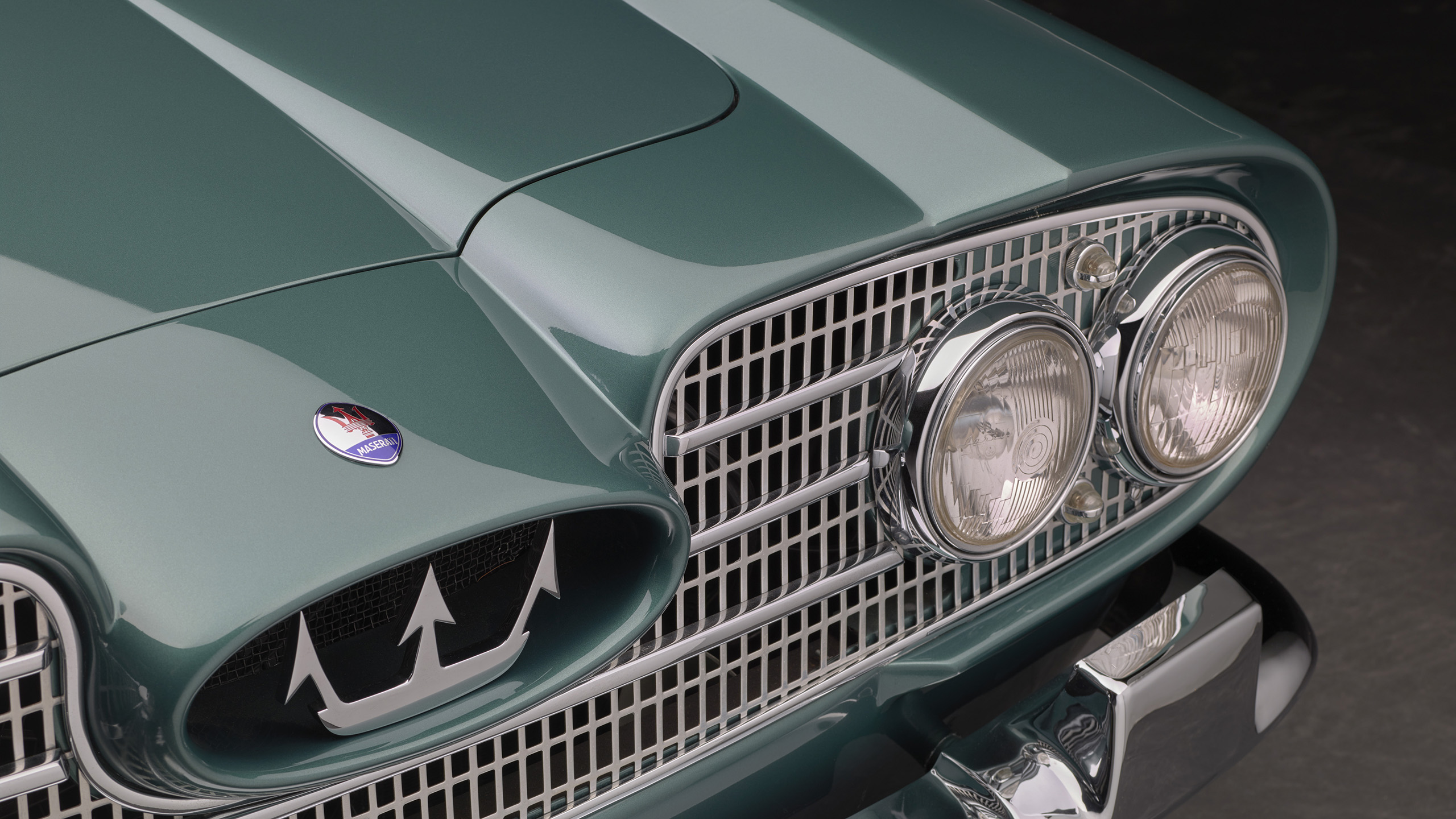
Our 12 favourite classic Maseratis
© Michael Furman–MaseratiThe Società Anonima Officine Alfieri Maserati was founded by the Maserati brothers, Alfieri, Ettore and Ernesto, in December 1914. The company remained in its original home of Bologna until 1939, when acquisition by the Orsi family led it to new premises in Modena. The site officially opened its doors on 1 January 1940.
Here, we select a dozen of our favourite Maserati road cars.
-

Maserati A6 series
© MaseratiAlthough the first Maserati racing car appeared at the 1926 Targa Florio, the company didn’t build its first road car until 1947, the year in which the Maserati brothers left the business. There were several versions of the A6 – that’s ‘A’ for Alfieri and ‘6’ for six-cylinder – powered by either a 1.5- or 2.0-litre engine. The A6GCS (pictured) made its debut at a race in Modena where Alberto Ascari and Luigi Villoresi finished first and second.
-

Maserati 3500GT and Spyder
© MaseratiArriving 10 years after the first A6, the 3500GT represented a turning point for the Maserati brand, with the company abandoning its racing past to focus on building the best road cars. The 3500GT was powered by a detuned 3.5-litre six-cylinder race engine producing 220hp at 5,550rpm. It catapulted Maserati into Ferrari territory, also allowing it to rub shoulders with Aston Martin. Most cars featured a body crafted by Touring, but the likes of Boneschi, Frua and Vignale produced stunning alternatives.
-

Maserati 5000GT
© MaseratiIn a triumph of marketing, Maserati’s owner Omar Orsi posted brochures of the 3500GT and 450S to high-net-worth individuals to drum up sales. One landed on the desk of the Shah of Persia, who, after a test drive, demanded something quicker and more exclusive. The result was the 5000GT, complete with a 5.0-litre V8 engine from the 450S in which Juan Manuel Fangio and Jean Behra had won the 1957 Sebring 12 Hours race. Just 34 cars were built, with bodies by Allemano, Touring, Ghia, Pininfarina, Michelotti, Monterosa, Frua, Bertone and Vignale.
-
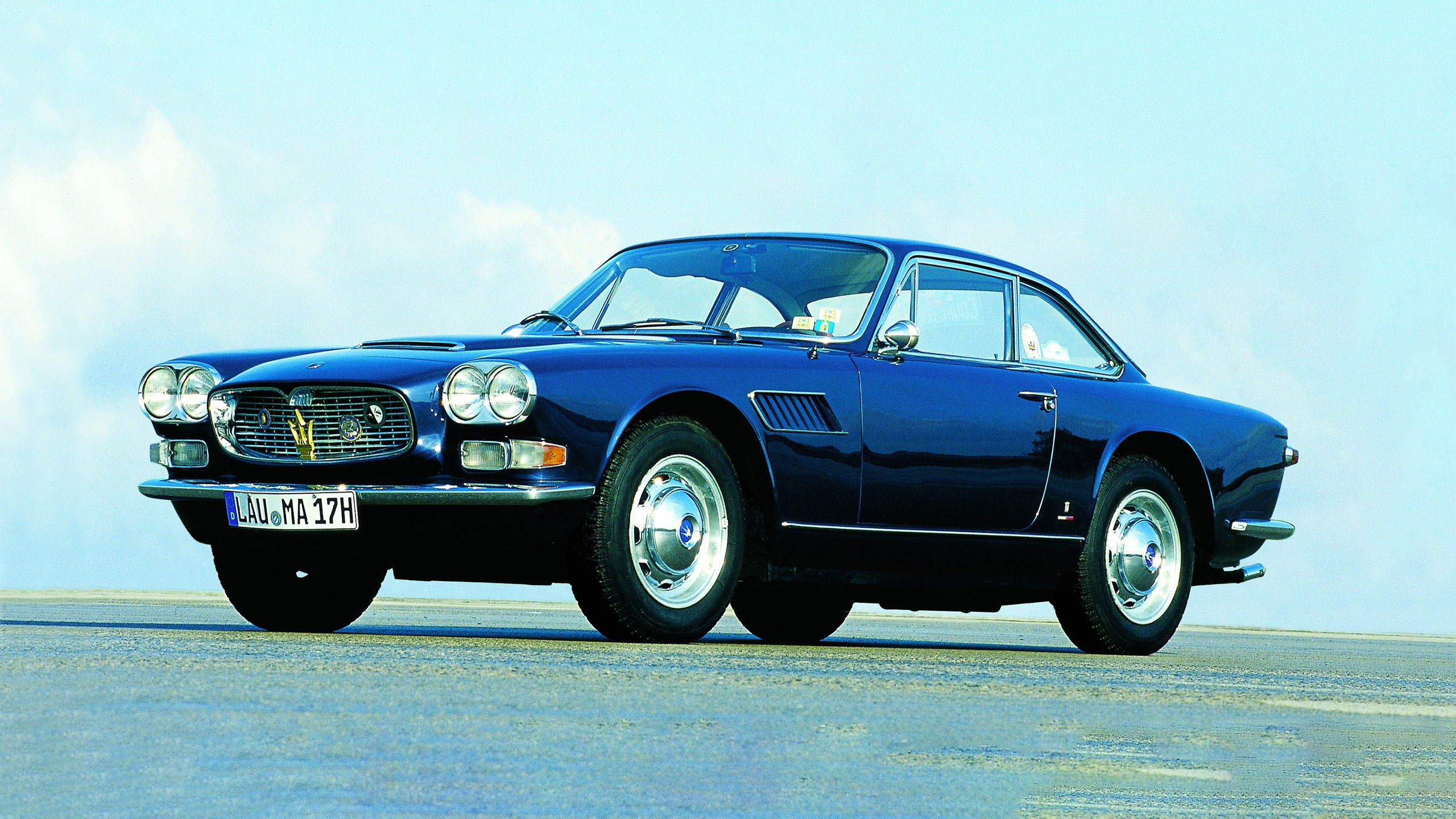
Maserati Sebring
© MaseratiThe Maserati Sebring – briefly known as the 3500GTI – was based on the 3500GT and aimed at the lucrative American market. It launched in 1962 with power sourced from the 3500GT’s 3.5-litre straight-six engine, but larger 3.7 and 4.0-litre engines were introduced to coincide with the launch of the Series II model in 1965. Although marketed as a 2+2, the Sebring was more of a luxury grand tourer for two, with extra space behind the front seats for your handcrafted Italian luggage. A total of 598 cars were built before production ended in 1969.
-
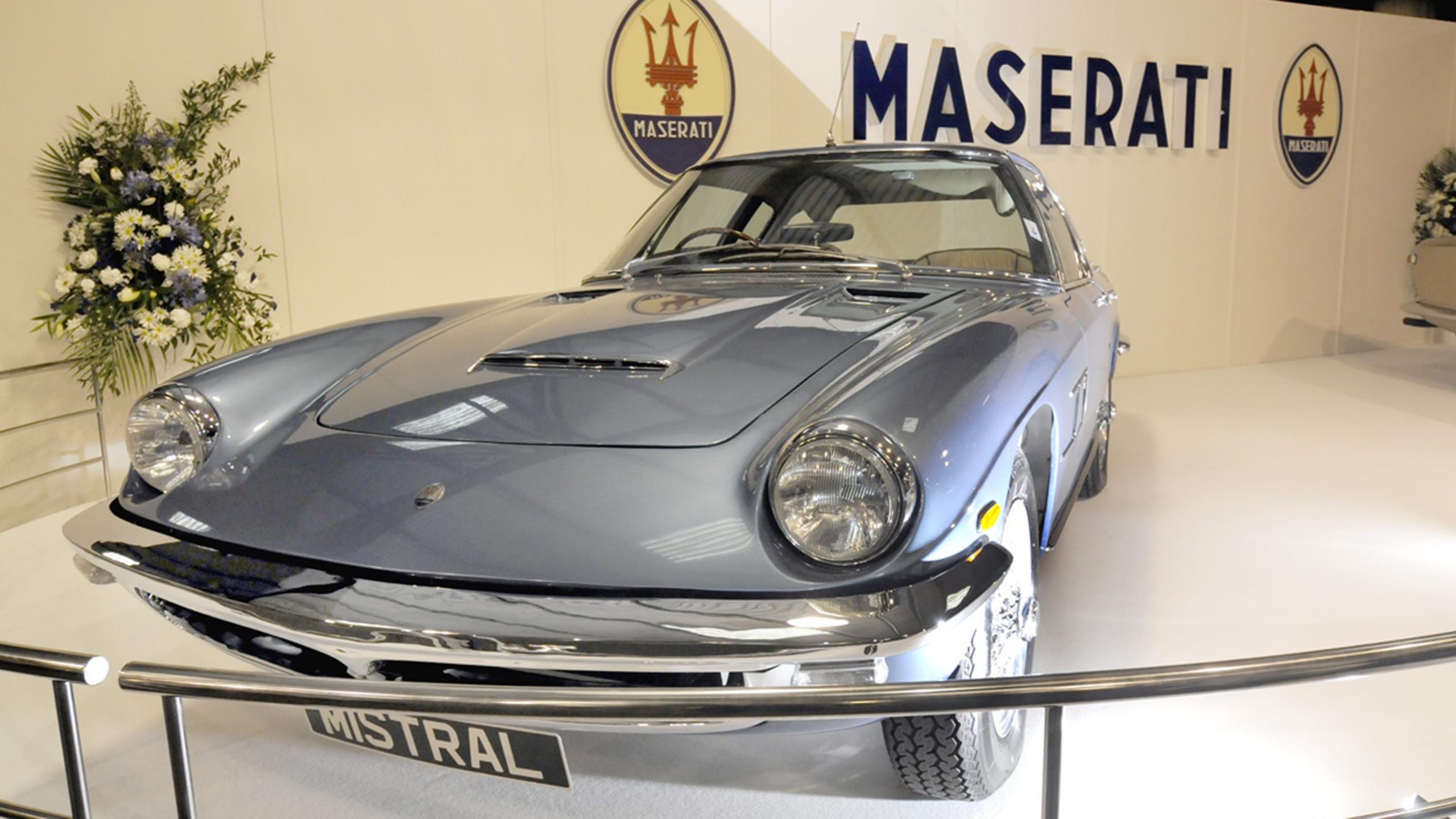
Maserati Mistral
© MaseratiThe first Maserati to be named after a wind, the Mistral was also the last of the 350S-based six-cylinder cars. In coupe form, the Pietro Frua-penned Mistral featured a glass tailgate, similar to the Jensen Interceptor that arrived three years later. The convertible version, known as the Mistral Spyder, debuted at the 1964 Geneva Motor Show, initially with a 3.5-litre engine, but later with the 3.7- and 4.0-litre straight-sixes of the coupe. The Spyder is the most desirable of the two – and prices reflect this.
-
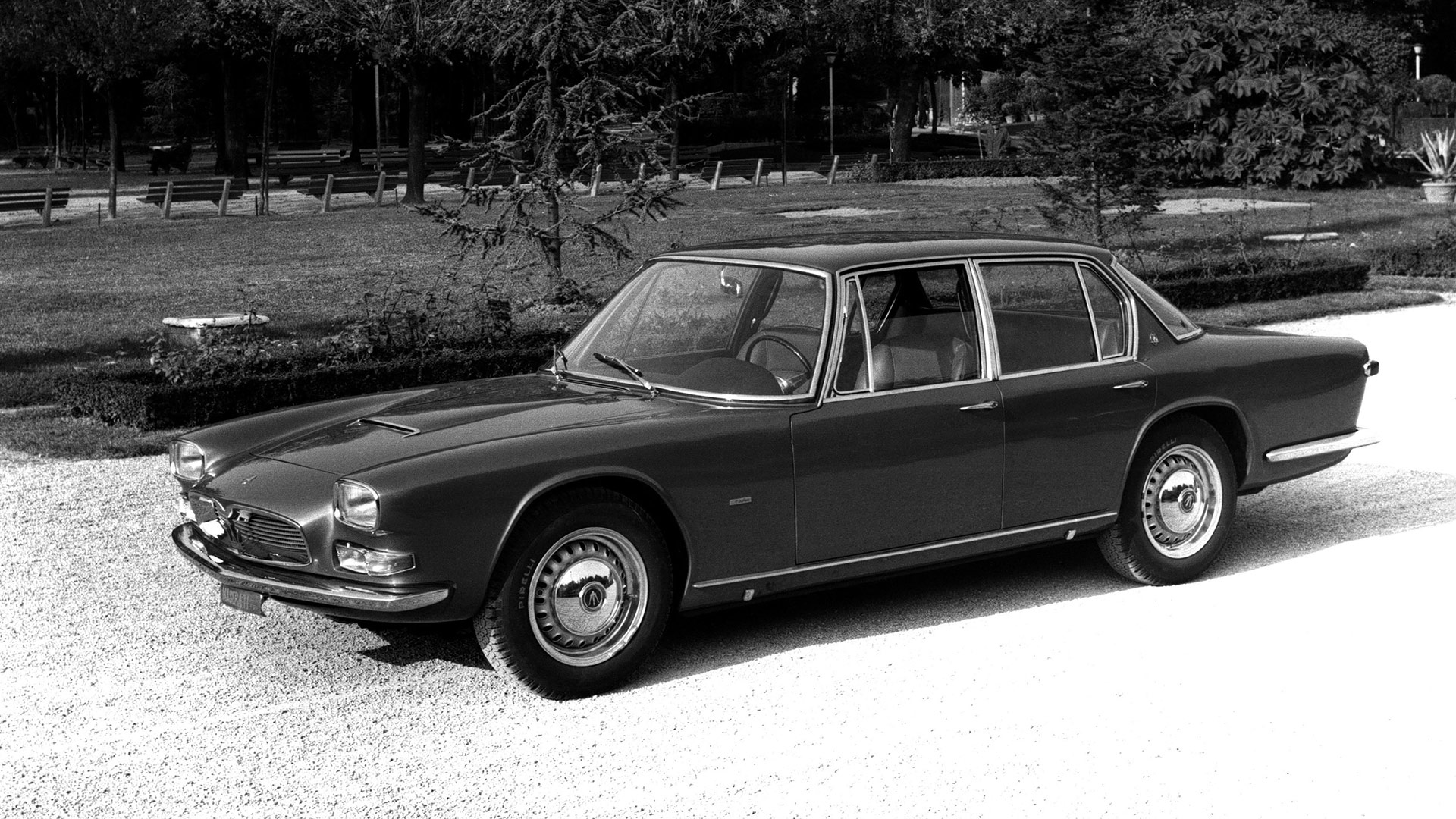
Maserati Quattroporte
© MaseratiProviding proof that everything sounds better in Italian, ‘Quattroporte’ simply means ‘four-door’. Launched at the 1963 Turin Motor Show, the Maserati Quattroporte was one of the world’s first four-door GT cars, with a body designed by Frua and production handled by Vignale. Interestingly, the design was based on a one-off 5000GT built for Prince Karim Aga Khan. Power was sourced from Maserati’s 4.1-litre V8, with a 4.7-litre engine added to the range in 1968.
-
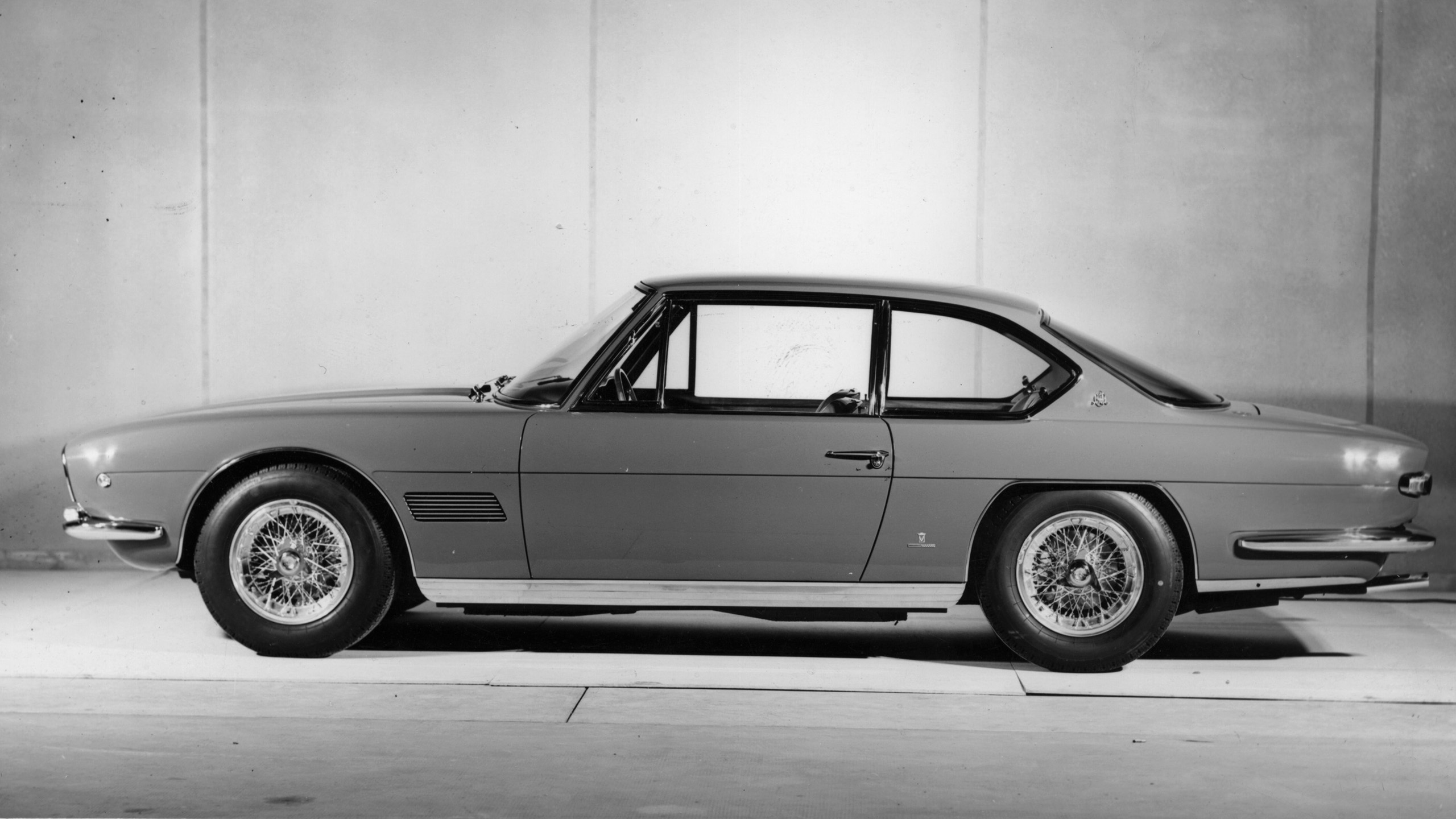
Maserati Mexico
© MaseratiThe Maserati Mexico is arguably one of the most beautiful four-seat coupes ever. It was based on a Michelotti-penned prototype shown at the 1965 Turin Motor Show, created using a 5000GT chassis. After the car was well received, Maserati decided to launch its own version, so-called because the one-off prototype was sold to the Mexican president. Most (305 cars) were powered by the 4.2-litre V8 engine, although 175 had the 4.7-litre V8.
-
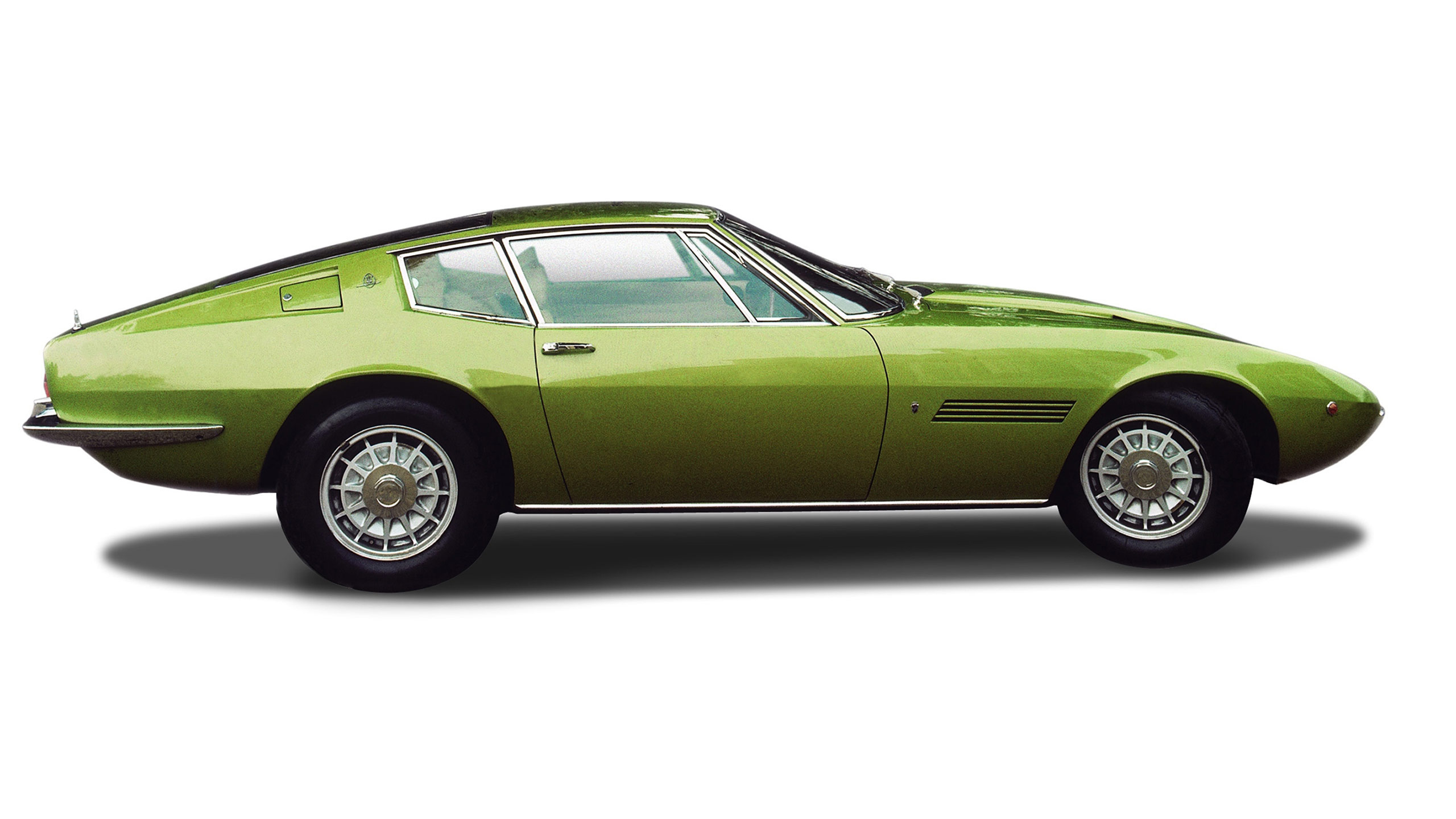
Maserati Ghibli
© MaseratiUndoubtedly one of Giorgetto Giguiaro’s finest designs, the Ghibli was also the Italian maestro’s first Maserati, penned when he was working at Ghia. It was one of the first supercars as well, boasting a top speed of 164mph, although a race-prepared Ghibli hit 191mph on the Mulsanne straight during the 24 Hours of Le Mans. If there was one issue, it was the 4.7-litre V8’s prodigious thirst, which prompted the fitment of two fuel tanks.
-
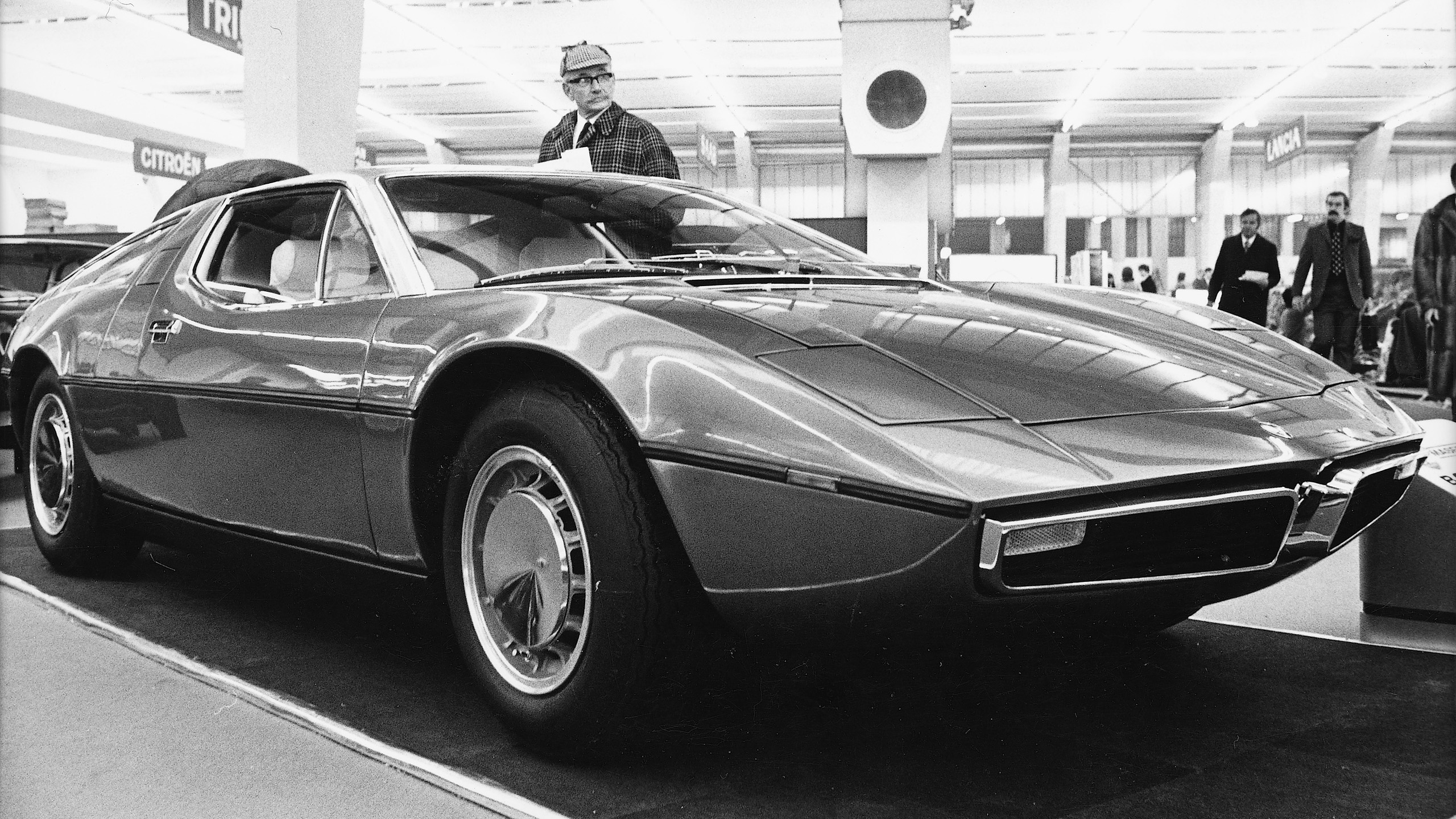
Maserati Bora
© MaseratiUnveiled at the 1971 Geneva Motor Show, the Bora was Maserati’s first mid-engined supercar. This thing had it all: a 4.7-litre or 4.9-litre V8 engine, Giuigaro styling, a stainless steel roof and A-pillars, and Citroen hydraulic brakes. Italdesign said: ‘Making the roof and A-pillar in brushed stainless steel, in clear opposition to the rest of the body, was a courageous move: it is the only contrasting note in a shape so severe as to seem almost Euclidean’.
-
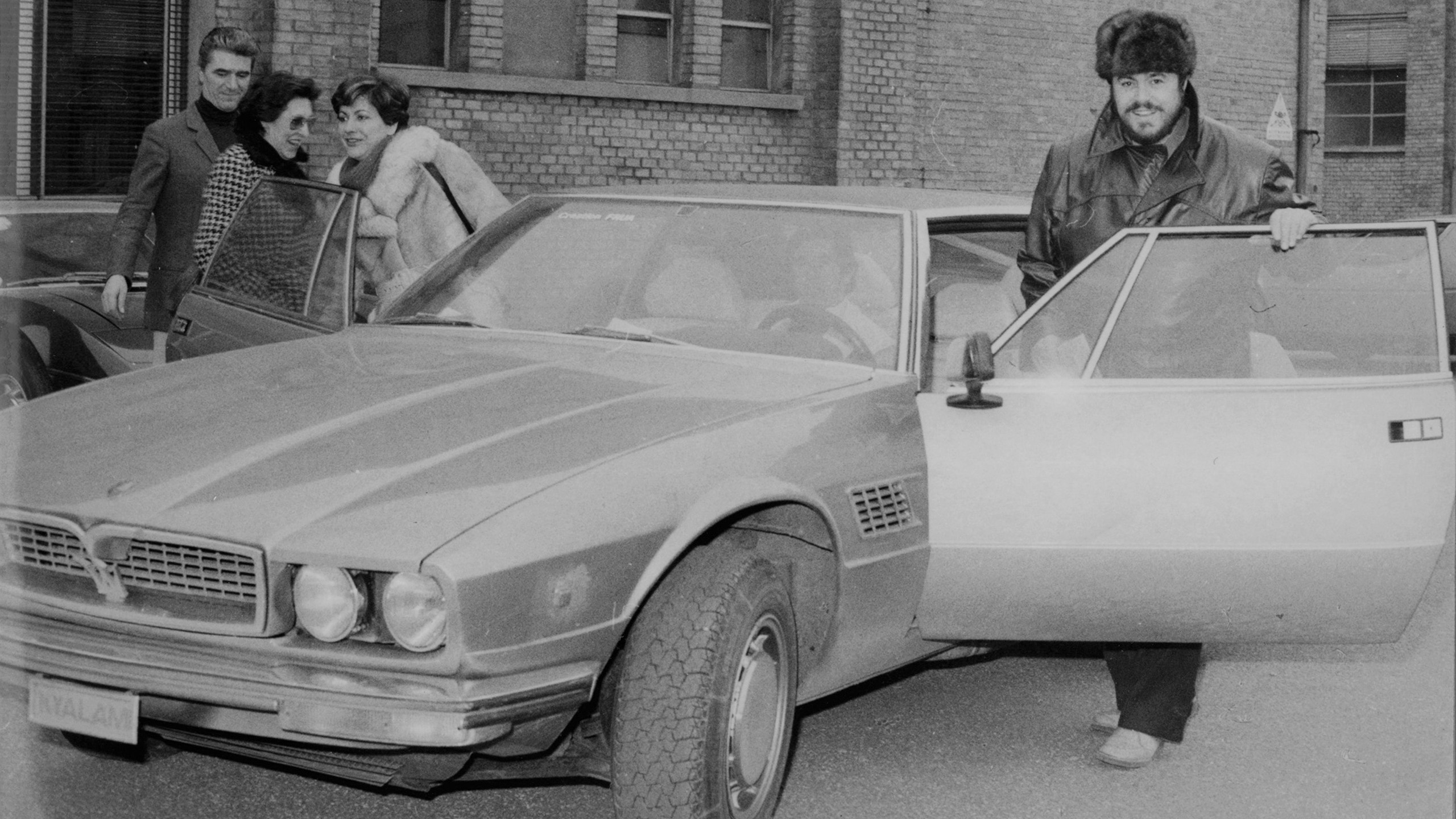
Maserati Kyalami
© MaseratiThe first Maserati developed under the ownership of Alejandro De Tomaso was actually based on the De Tomaso Longchamp, albeit with the Ford V8 replaced by Maserati’s own engine. Indeed, it was the last Maserati to be powered by the four-cam V8, either in 4.2- or 4.9-litre guise. The Kyalami was more than just an exercise in badge engineering, with Pietro Frua reworking Tom Tjaarda’s original design.
-
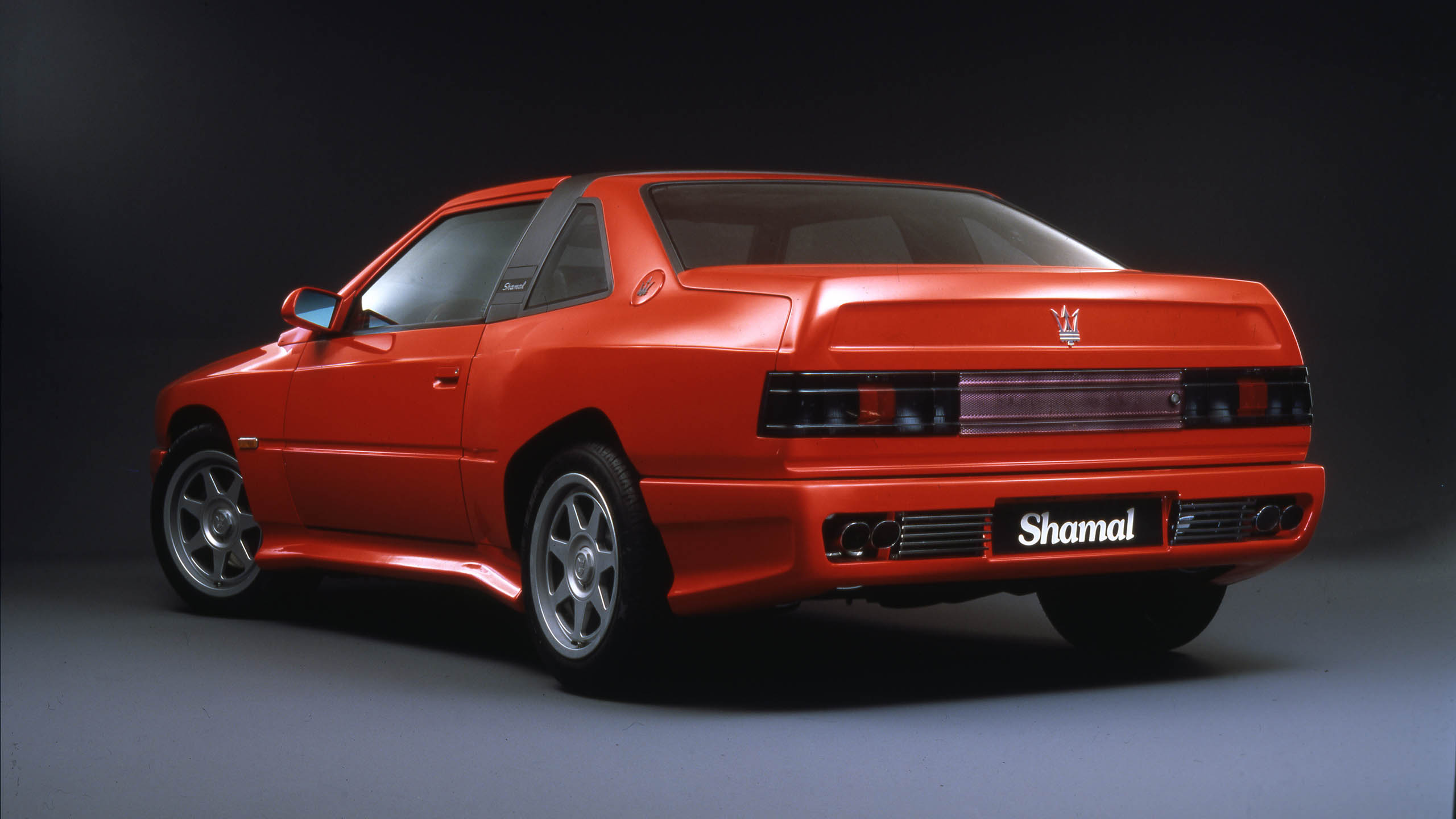
Maserati Shamal
© MaseratiThe Biturbo was created because Alejandro De Tomaso reckoned that Maserati required a high-volume entry-level model in order to survive. He was right, it’s just that the execution was a little wide of the mark. On the plus side, the Biturbo did spawn some true greats, including the Gandini-designed Shamal, complete with bite-the-back-of-your-fist rear wheelarches. Oh, and the small matter of a twin-turbocharged 3.2-litre V8. It was quick, even by today’s standards, with a 0-60mph time of 5.3 seconds.
-
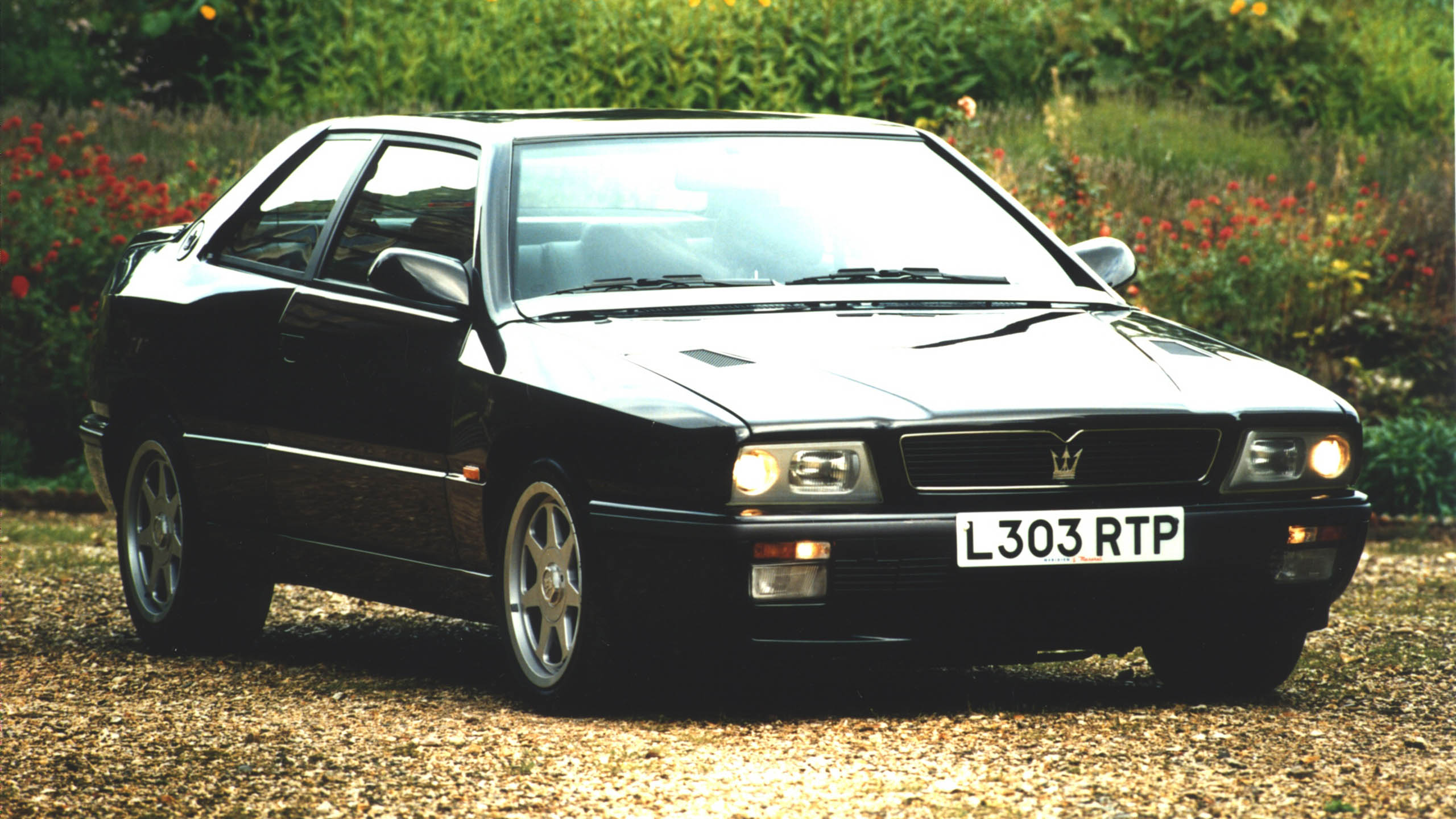
Maserati Ghibli II
© MaseratiAnother product of the Biturbo, the Ghibli II saw the return of a famous name from Maserati’s past. This 1990s coupe was a very different proposition, though, with power sourced from a choice of twin-turbocharged V6 engines. The Gandini styling looked fabulous, the interior was kitted out for luxury, and it was quick – especially in 2.8-litre guise. Top speed was an impressive 165mph.
Our 12 favourite classic Maseratis
From the A6 to the Ghibli II, we list our favourite classic Maserati models from 1940 to the 1990s.
Home Our 12 favourite classic Maseratis